

Pop Wall Design Ideas for Modern Home Interiors
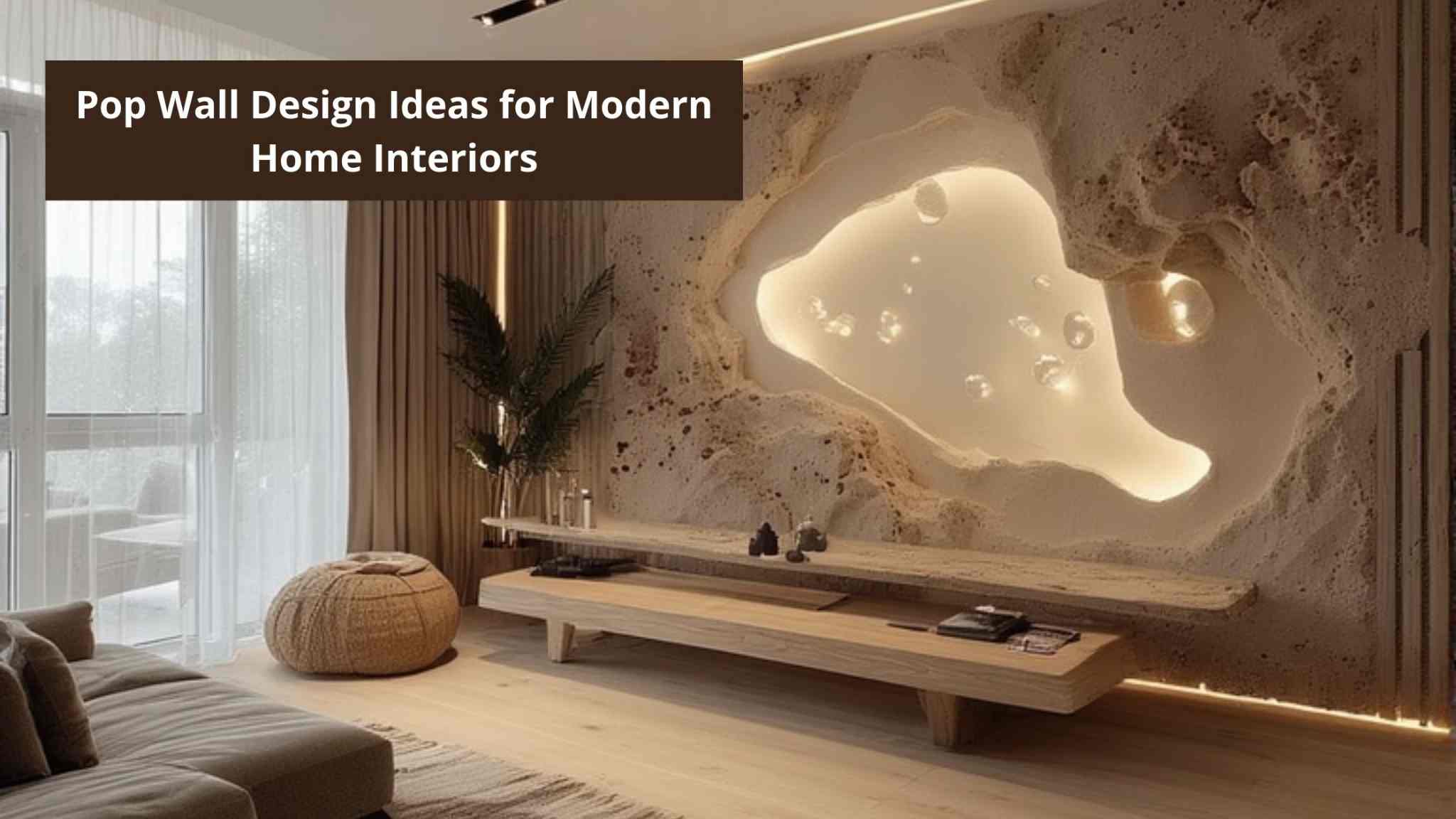
Plaster of Paris (POP) wall panels are versatile, decorative architectural elements that are crafted to introduce depth, texture, and a three-dimensional visual effect to otherwise flat interior walls. Unlike simple paint or wallpaper, POP allows for intricate, sculpted designs. It is derived from Gypsum, a naturally occurring mineral, which is heated and processed to create a fine, white powder. When mixed with water, this powder rapidly sets into a solid form, making it highly malleable for creating custom designs, moulds, and pre-fabricated panels. The popularity of this material makes it a core component of many modern pop wall design concepts.
What Are POP Wall Panels?
A POP(Plaster of Paris) wall panel design refers to a decorative wall design element crafted to add depth and structure to interiors. These panels are moulded into various patterns or textures and are then affixed to the wall surface, giving it a raised, three-dimensional look.
Unlike wallpaper or paint, POP walls design brings a sculptural quality to your space. The panels catch light and shadows, offering a dynamic appearance that changes throughout the day. They also create a tactile surface you can feel, which adds to their visual richness.
What makes a POP wall panel design even more effective is how it works with tiles. For instance, you can frame a tiled feature wall with POP borders or add these panels above a tile-lined dado area.
This combination enhances both materials and gives the room a layered, high-design finish. Whether you’re styling a modern apartment or a more traditional space, POP walls design helps you go beyond flat surfaces and add personality to your interiors.
POP Wall Panel Design Ideas for Every Room
The application of panels design for the wall should be carefully tailored to the specific function and humidity level of the room.
POP Wall Paneling Design for Living Room
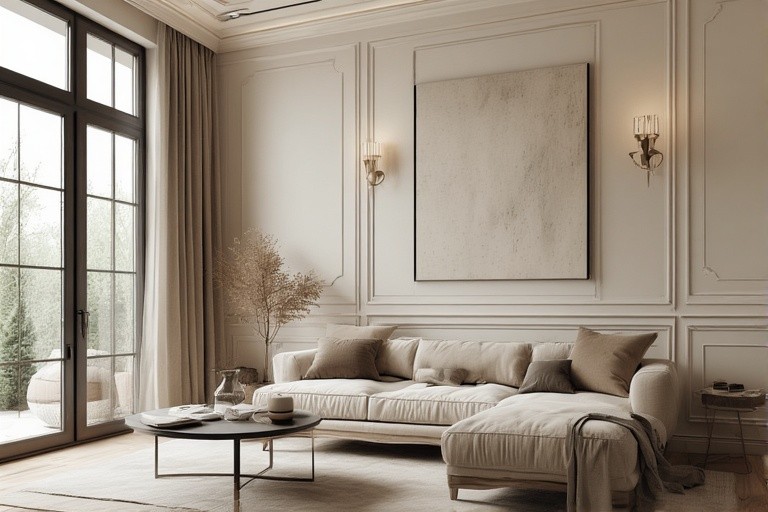
The living room is the ideal space to showcase bold wall panel design, often on the main accent wall behind the sofa or TV unit.
- Textured Panels: Choose deeply carved or stamped textures to add warmth, character, and significant visual depth to the room.
- Geometric Patterns: Modern living rooms benefit from striking, large-scale geometric shapes, which can be paired with the Tiny Tiles collection and living room tiles for added contrast and visual impact, further enhanced with contrasting colours or integrated lighting.
- Integrated Niches and Storage: Built-in POP niches offer utility by serving as display shelves or decorative alcoves, effectively integrating storage into the pop wall design.
POP Wall Panel Design for Bedroom
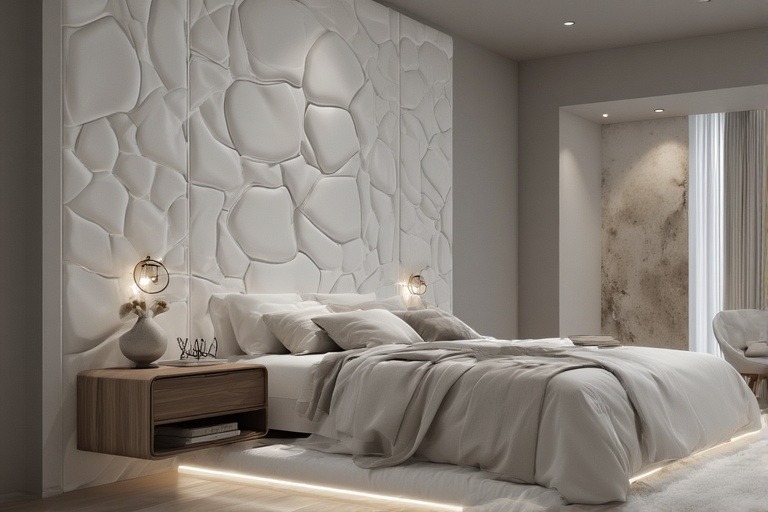
In a bedroom, the pop wall panel design typically acts as a luxurious headboard or an accent wall behind the bed, focusing on soft aesthetics and ambient lighting. This is where a careful pop design for bedroom wall selection is key, complemented beautifully by suitable bedroom tiles.
- Backlit Grooves: Grooved or recessed POP panels with hidden LED strip lights emit a soft, diffused glow, which is perfect for creating a relaxed and refined atmosphere and showcasing the latest wall pop design.
- Curved Silhouettes: Current trends favour curved POP designs, such as arched corners or wave-like patterns, which introduce a serene and flowing feel to the space. This is a common choice for a delicate wall panel design for the bedroom and pairs beautifully with Altagloss finishes.
Related Post :Small Bedroom POP Design with Tiles and Ceiling Ideas
POP Panels Design for Wall in Kitchen & Dining
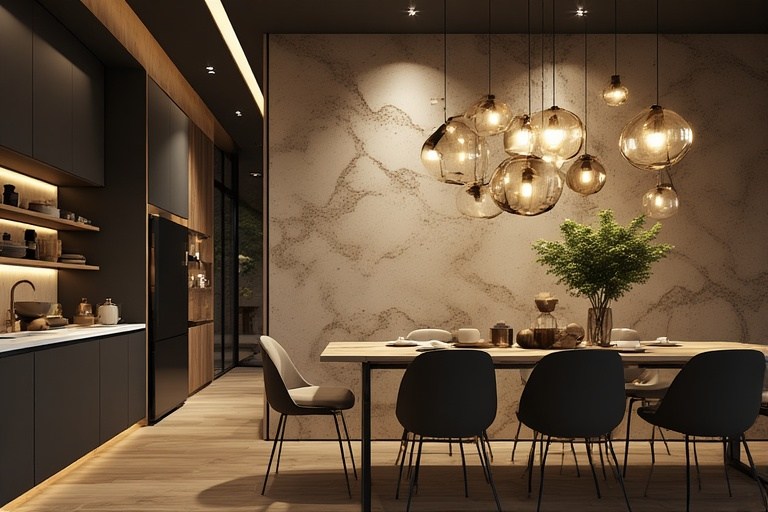
While POP is generally discouraged in high-moisture areas, it can be used strategically in dining or dry kitchen zones to add structure and elegance. When paired with kitchen tiles, it enhances visual appeal while still being applied only where there is no direct risk of splashing or steam exposure.
- Geometric Structures: Clean, structured geometric patterns can add a lively element without overwhelming the space, and the Impero series is an excellent tile option to complement this look
- Above the Dado: To prevent moisture damage, it is highly recommended to use a water-resistant material, such as Rockdeck tiles, for the lower dado area and reserve subtle POP designs for the upper half of the wall.
Bathroom POP Wall Panel Design
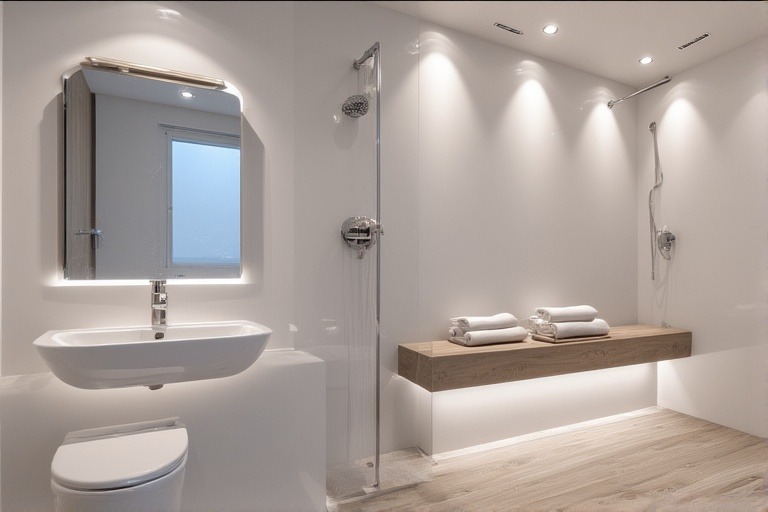
- Avoid POP in Wet Areas: Standard POP is highly moisture-sensitive and should not be used in spaces exposed to dampness, splashing, or high humidity, such as bathrooms, basements, or exterior walls.
- Use Waterproof Materials Instead: For high-risk areas, only non-porous, waterproof options like porcelain or ceramic tile from our Spectra collection, including our bathroom tiles, ensure long-term durability and safety.
POP Wall Panel Design With LED Backlighting
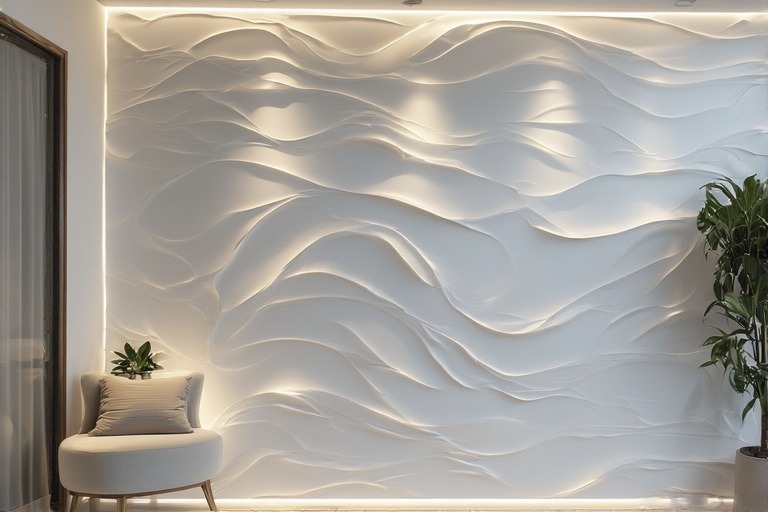
Lighting is now an essential element integrated directly into the POP structure, a technique also known as cove lighting or halo lighting. This defines the latest wall pop design.
- Application: Strip lights are set within the grooves or behind the edge of the panels, creating a 'floating' illusion and a sophisticated, warm ambience.
- Impact: This design creates a visually stunning and instantly luxurious effect, enhancing the 3D quality of the wall panel design.
3D POP Wall Panel Design
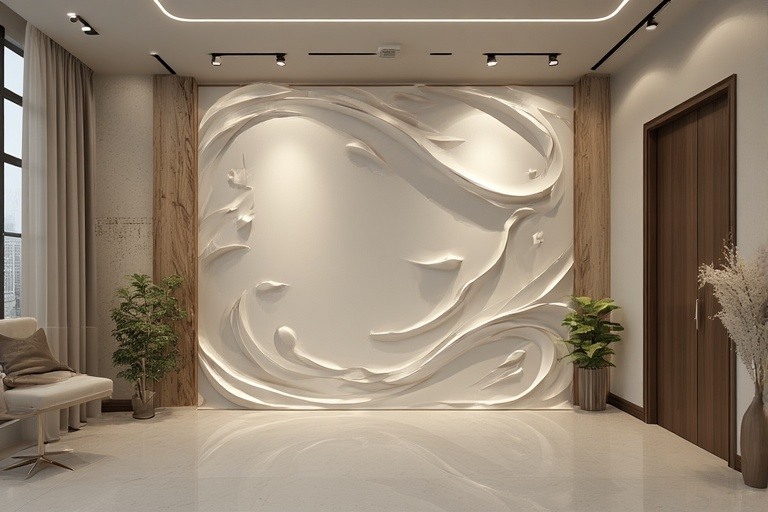
3D panels remain highly popular for creating dynamic accent walls, offering significant visual interest to any panel design and pairing well with 3D tiles for enhanced depth.
- Relief Work: Designs with deep relief and distinct textures catch light beautifully, adding dimension and character.
- Focus: Often, smaller shapes are better suited for compact rooms, while bolder, deeper textures work best in spacious areas that can handle the visual weight of the pop wall design.
Related Post :10+ Stunning Roof POP Colour Combinations Ideas
POP Wall Design Inspired by Wood & Stone
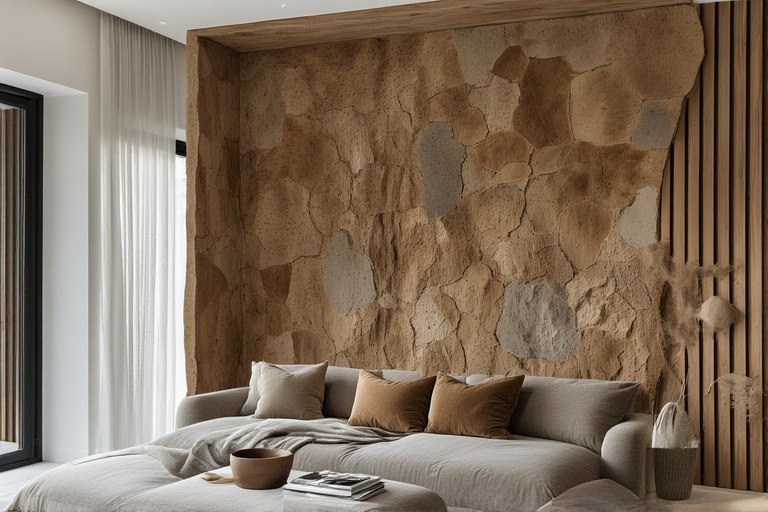
A major trend in pop wall panel design is using the material to simulate the look of expensive, natural materials to achieve a high-end look without the associated challenges.
- Simulated Textures: Skilled artisans can create ribbed, fluted, wood-grain, or natural stone textures using POP, offering a diverse array of finishes for your panels design for walls.
- Advantage: This provides the warmth and visual quality of materials like wood or stone but with the installation ease and flexibility of POP.
Benefits of Using POP for Interior Panel Design
POP remains a highly favoured material in interior design due to several practical and aesthetic advantages:
- High Design Flexibility: POP can be easily moulded into virtually any shape, including intricate curves, detailed reliefs, geometric patterns, and complex 3D forms, offering endless customisation possibilities for any chosen pop wall panel design.
- Seamless Finish: When applied correctly by a skilled professional, POP provides a smooth, seamless surface that can conceal imperfections, wiring, and structural flaws in the underlying wall.
- Lightweight Nature: Its light composition ensures it does not add significant structural load to the walls or ceiling, making it a suitable and significant advantage over heavier material options.
- Basic Fire Resistance: POP possesses inherent fire-resistant properties, adding a minor layer of safety to the interior structure.
Related Post :Top 9 POP Designs for Hall – Modern & Simple False Ceiling Ideas
Modern vs Traditional POP Wall Panel Design
POP's versatility ensures that a suitable panel design for the wall can seamlessly fit into any interior theme, whether contemporary or classic.
Modern POP Wall Panels
Modern design prioritises clean lines, simplicity, and functionality.
- Key Styles: Look for sharp angles, squares, hexagons, or simple, linear grooves and patterns. These 3D effects are essential to contemporary pop wall panel design.
- Aesthetic: The focus is often on 3D forms and recessed structures (like the modern 'plus-minus' design) that create shadow play and subtle architectural effects, enhancing the simplicity of the design.
Traditional POP Wall Panels
Traditional styles embrace classical elegance and intricate detailing.
- Key Styles: Choose designs that mimic the look of carved wood, ornamental plasterwork, or complex Victorian-inspired mouldings and borders.
- Aesthetic: These panel design choices often create a royal or heritage charm, best suited for large halls or formal spaces and often paired with rich, rustic-toned finishes.
POP Wall Panels with Tiles: Modern Home Combinations
The combination of decorative POP panels with floor and wall tiles is a popular strategy for creating a cohesive and highly layered interior design.
Selecting the Right Tile Combination
- Framing a Feature: Use POP borders or mouldings to frame a tiled feature wall, such as a large-format tile backdrop, enhancing both materials and ensuring a polished panels design for the wall.
- Texture Harmony: Pairing glossy, reflective tiles with smooth or subtle wave-style POP panels creates a balanced look. Conversely, using matt or rustic tiles works well with rougher plaster designs for a more grounded aesthetic.
Mastering Colour and Contrast
The choice of colour should align the pop wall design with the adjacent surfaces.
- Monochromatic Match: Use the exact same or a slightly darker/lighter shade on the POP as the tile and surrounding walls for a clean, seamless, and sophisticated look.
- Dramatic Contrast: Introduce deliberate contrast by pairing warm-toned POP colours (like beige or cream) with cooler-toned tiles like grey or blue) for a more dramatic and statement-making effect.
Related Post : Choosing the Right Bedroom Tiles for Pop Design Aesthetic
POP Wall Panel Materials: POP vs Wood, PVC & MDF
While POP is excellent for decorative interior work, other materials offer different advantages, particularly in terms of durability, cost, and moisture resistance, that may better suit specific project needs, especially when considering a comprehensive wall panel design strategy.
|
Material |
Key Advantages (Pros) |
Key Considerations (Cons) |
|
Wooden Wall Panels |
Highly durable, provides superior natural insulation, offers a classic, rich, and elegant aesthetic. |
High initial cost, susceptible to moisture, warping, and termite damage if not properly treated, requires regular maintenance. |
|
PVC (Polyvinyl Chloride) Panels |
Highly durable, 100% waterproof, resistant to termites and mold, requires very low maintenance. Ideal for high-moisture/wet areas. |
Made from synthetic material, offers moderate insulation, may lack the premium, genuine texture of natural materials. |
|
MDF (Medium Density Fiberboard) Panels |
More affordable than solid wood, offers design flexibility and can be finished with veneers or paint, easy to install. |
Not waterproof and can swell or warp severely if exposed to high moisture, making it unsuitable for wet areas. |
Maintenance Tips For POP Wall Panel Design
POP wall panels are durable and easy to maintain with simple cleaning and routine care. However, because POP is highly moisture-sensitive, regular checks are essential to prevent damage and preserve its longevity.
- Durability: A well-maintained pop wall design typically lasts for 10 to 15 years, provided it is protected from moisture damage.
- Cleaning: POP surfaces are relatively low-maintenance; they can be wiped clean with a dry or lightly damp cloth to prevent dust and dirt buildup.
- Moisture Check: The most critical maintenance factor is monitoring for water damage. POP will easily absorb water, leading to surface cracks, peeling paint, or a powdery finish if exposed to leakage or high humidity. Immediate action is required if any water damage is detected.
FAQa About POP Panels Design for Wall
Can POP wall panels be used in both modern and traditional interiors?
Yes, absolutely. POP is extremely versatile. For modern interiors, opt for clean lines, geometric patterns, and 3D forms. For traditional settings, choose ornate, moulded, or rustic vintage styles that mimic classical architecture or carved wood. Both styles are highly effective choices for a sophisticated wall panel design.
How do I choose the right panel design for the wall for my home?
To choose the right panels design for wall, consider three main factors: Room Size (soft, simpler patterns for small spaces; bolder, deeper relief designs for spacious areas), Lighting (backlit designs pair well with soft lighting), and Adjacent Surfaces (ensure a complementary or contrasting texture/colour with your existing tiles or décor).
What are the latest trends in pop wall panel design?
The latest trends in pop wall panel design include integrating ambient lighting (such as hidden LED strip lights in grooves), using striking geometric and linear patterns, and employing textured finishes that mimic the look of natural materials like fluted wood grain or rough-cut stone, often enhanced by 3D effects.
How do I install POP wall panels?
POP wall panels are typically crafted by skilled artisans (either pre-made or constructed on-site) and are fixed securely to a prepared wall surface using professional-grade adhesives, screws, or a combination of both. The process is labour-intensive and should always be executed by a trained professional for a flawless finish.

 Toll Free: +91 7228922222
 +917433978200
 customercare@simpolo.com
 1800-233-2223